
Not a Magic Carpet Ride
Written By Josh Doyle
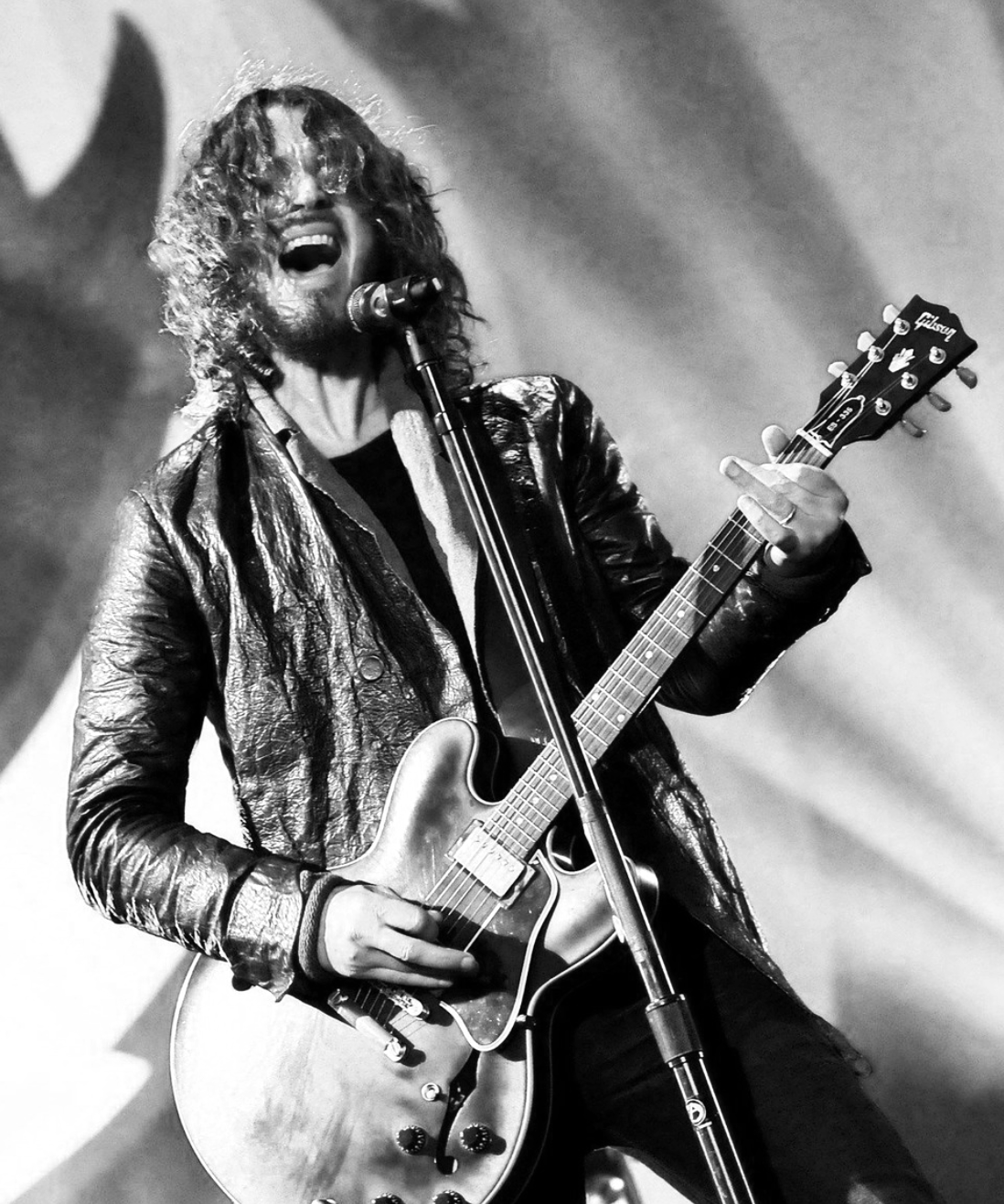
For Generation X, Chris Cornell was more than a rock star. He was a voice for a generation that learned to sit with discomfort, find meaning in struggle, and keep moving forward. That lesson turns out to be more relevant today than ever.
Gen X Resilience, and the Give of Doing the Work
As a card-carrying member of Generation X, I still remember standing in a crowded, sweaty venue as a teenager, watching Chris Cornell completely command the stage. For our generation, Cornell wasn’t just a rock star; he was a vocal powerhouse who gave a melody to our collective alienation. We grew up on a steady diet of raw, unfiltered music from that era—the guttural angst of Nirvana, the haunting shadows of Alice in Chains, and the driving force of Pearl Jam. These bands didn’t sugarcoat reality. They put a spotlight on pain, mental health, and life’s profound shortcomings, forcing us to look directly at things that were hardly trivial. But in shining that light, they didn't offer a quick fix. They taught us to acknowledge the darkness, look it in the eye, and find a way forward through it.
Perhaps this is why my generation found such pure hilarity and joy in the controlled chaos of the mosh pit. If you go to a concert today, you won’t really see a real mosh pit; instead, you just see crowds of people jumping up and down uniformly. While some modern observers might look at that orderly jumping and consider it to be progress, I consider it a travesty. To the untrained eye, the mosh pit looked like pure violence, but that was never its intention. It was a beautiful contradiction—unpredictable and uncomfortable, yet it possessed a profound, unwritten code of honor. The pit was never meant to be a place to hurt or get hurt; it was an expression of organized chaos. I remember the very first time I was ever in a mosh pit, at a Red Hot Chili Peppers concert. There were a couple of people in the crowd who were taking the shoving way too far, crossing the line from high energy into real aggression. The bass player, Flea, actually stopped the entire concert to address it. He didn’t ask everyone to stop the mosh pit entirely—in fact, he encouraged the energy of it. He just firmly told those specific people to stop being violent.
That interaction perfectly captured the unwritten rule: while there were always exceptions and individuals who took things too far, there was a strict community understanding that actual violence would not be tolerated. Even in the height of that aggressive, swirling madness, we were looking out for one another. The absolute, cardinal rule of the pit was that the second someone fell down, three sets of hands immediately reached out to yank them back to their feet. We learned resilience by taking the hits, but we also learned community by knowing someone had our back when we hit the floor.
That ethos of enduring the friction together is beautifully captured in the song "I Am the Highway," sung by Cornell during his Audio slave years. When you listen closely to the lyrics, Cornell sends a fierce, liberating message: he is not a savior. He sings, "I am not your rolling wheels / I am the highway... I am not your carpet ride / I am the sky." It’s a declaration that he is not there to alleviate your pain or rescue you from your own journey. He is willing to be the road beneath your feet, to provide the space and support for you to travel, but he will not carry you. It is an invitation to walk side-by-side, sharing the struggle, rather than letting someone freeload off his good deeds or exploit his support. To go beside someone on the highway of life means you both have to keep your hands on the wheel of your own existence.
Our generation proved to be incredibly resilient because we were left to navigate these highways—and these pits—on our own. But looking at today’s world, it is vital that we meet the younger generation, Gen Z, with deep compassion rather than dismissal. The truth is, it is incredibly difficult to grow up in the world today. They are navigating a hyper-connected, hyper-anxious digital landscape, a global mental health crisis, and pressures that simply did not exist thirty years ago. It is entirely understandable why so many are struggling. As parents and mentors, our instinct is often to shield them—to offer them a magic carpet ride that bypasses the bumps in the road because we hate to see them suffer.
But as Chris Cornell so eloquently reminded us, true support is not a rescue mission. If we rescue our young people from every struggle, we rob them of the chance to build their own endurance. We can love them, validate them, and stand solidly beside them, but we must ensure they are still doing the work. It is perfectly okay to let them be uncomfortable, because discomfort is the exact place where grit is forged. We can be the highway—the steady, unwavering foundation they need to move forward—or the person waiting to pick them up when they stumble in the pit. But they must be the ones to drive, and they must be the ones to stand back up. By allowing them to face the friction of life with our support, rather than our interference, we help them discover a truth Gen X learned long ago: the struggle isn't something to be feared; it’s where we find our meaning.